Time is money in the world of fastening, and accuracy is very important. The self-drilling screw is what makes the difference. This smart new tool lets you drill, tap, and fasten all in one quick step. All types of construction, from big steel buildings to small DIY projects, can be done without pre-drilling. There are so many types of self-drilling screws available, such as self-drilling wood screws, self-drilling drywall screws, and stainless steel self-drilling screws. How do you choose?What about different head styles, like countersunk self-drilling screws and flat head self-drilling screws? This guide, which features tips from Sinsun, a well-known expert in the field, will help you pick the right screw for the job.
Taking a look at the magic behind self-drilling screws
A self-drilling screw has a built-in drill bit at its tip and cutting threads, so it does not need a pilot hole to be drilled first.With a sharp tip, the hole is opened quickly, and the fluted shaft cuts through the material to make a perfect thread path and removes debris. Fastening is always strong and fast with this one-step process.
A Closer Look at the Types: Putting the Right Screw in the Right Material.
If you pick the wrong screw, it could break. Here’s how companies like Sinsun make special screws for specific uses.
1. Stainless steel self-drilling screws that are rust-resistant.
Good for: buildings outside, marine environments, chemical processing, and food-grade uses.
Screws made of stainless steel are resistant to rust and corrosion, making them the best choice. These screws come in grades, such as 304 and 316 stainless steel, from top brands like Sinsun. They also have A2 and A4 corrosion resistance ratings for tough environments.
Key Feature: High-quality alloys that resist corrosion better than others.
Sinsun Advantage: Look for Sinsun screws with drill points that are precision-hardened, so they stay sharp even when drilling through tough stainless steel. This ensures that every screw in the box will perform consistently.
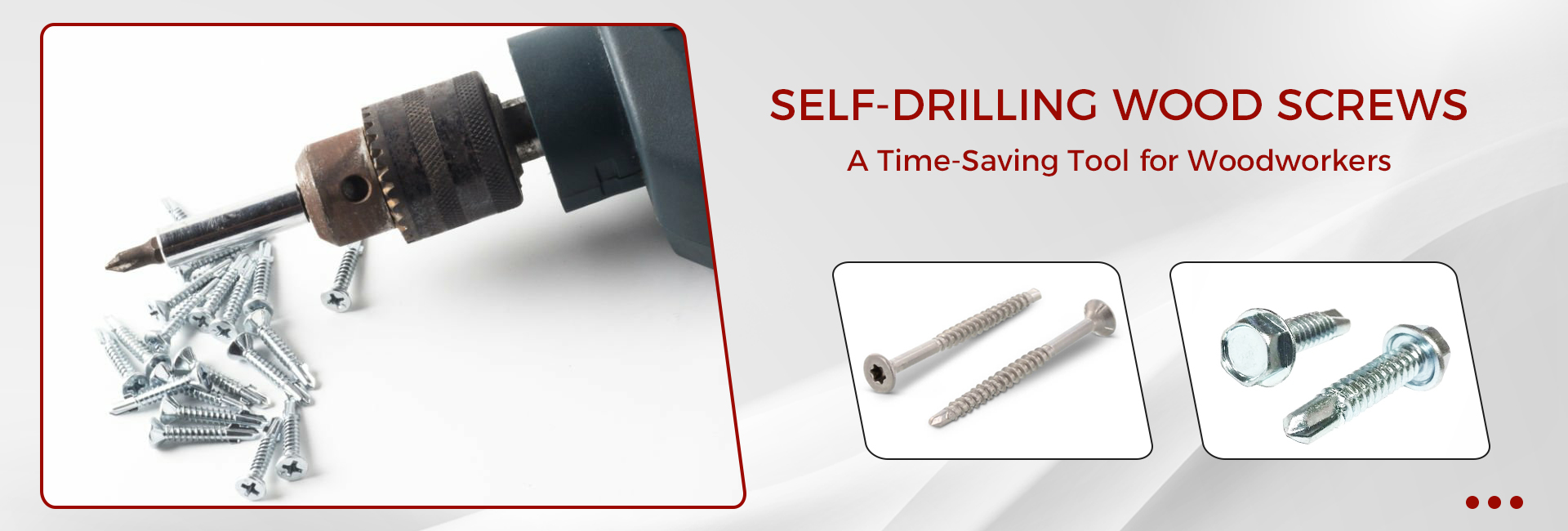
2. Self-Drilling Wood Screws: A Time-Saving Tool for Woodworkers
Great for all wood-to-wood connections, decking, framing, and assembling furniture.
It can be difficult to pre-drill into wood, especially hardwoods. Self-drilling wood screws have a sharp, pointed tip that acts like a brad point to cleanly pierce the wood fibers and prevent them from splitting. Sinsun improves this by using thread designs that provide the most pull-out strength and often adding a wax coating to reduce drive torque significantly.
Important Feature: A sharp tip that starts on its own and coarse threads that grip wood well.
Sinsun Advantage: Their engineered thread geometry makes driving faster and gives you a tighter grip, which makes the wood less stressed and makes the joint stronger.
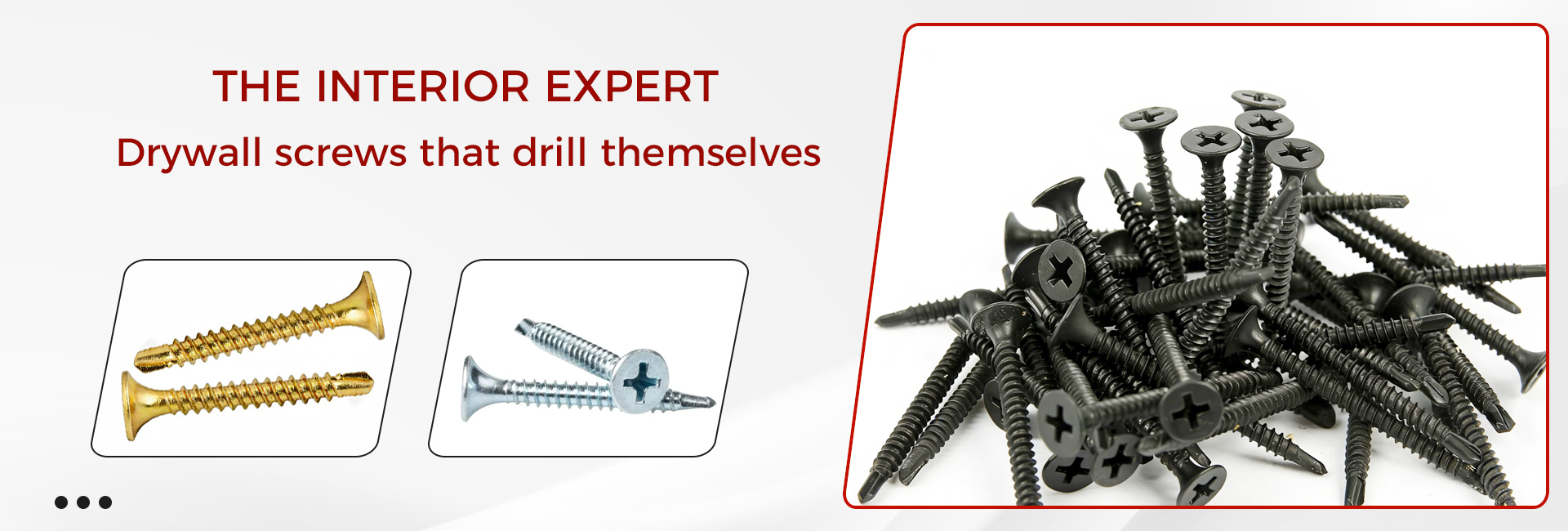
3. Drywall screws that drill themselves: The Interior Expert
Best for: Attaching drywall or plasterboard to metal studs (the most common use) or wooden frames.
Speed is very important when putting up drywall. The tip of a self-drilling drywall screw is very fine and needle-like. It goes through the gypsum board paper and drills into the metal stud without moving. The bugle head is made to fit flush with the paper without ripping it.
Key Feature: The fine drill point and double-threaded design make it easy to install and keep it in place.
Sinsun Advantage: Sinsun drywall screws are consistently coated with zinc or phosphate, which makes them very resistant to corrosion and prevents ugly rust stains from forming. Their sharp points and balanced shape make it easier for workers to stay focused on large jobs.
4. Head Style Showdown: Countersunk vs. Flat Head
The head style affects both finish and function.
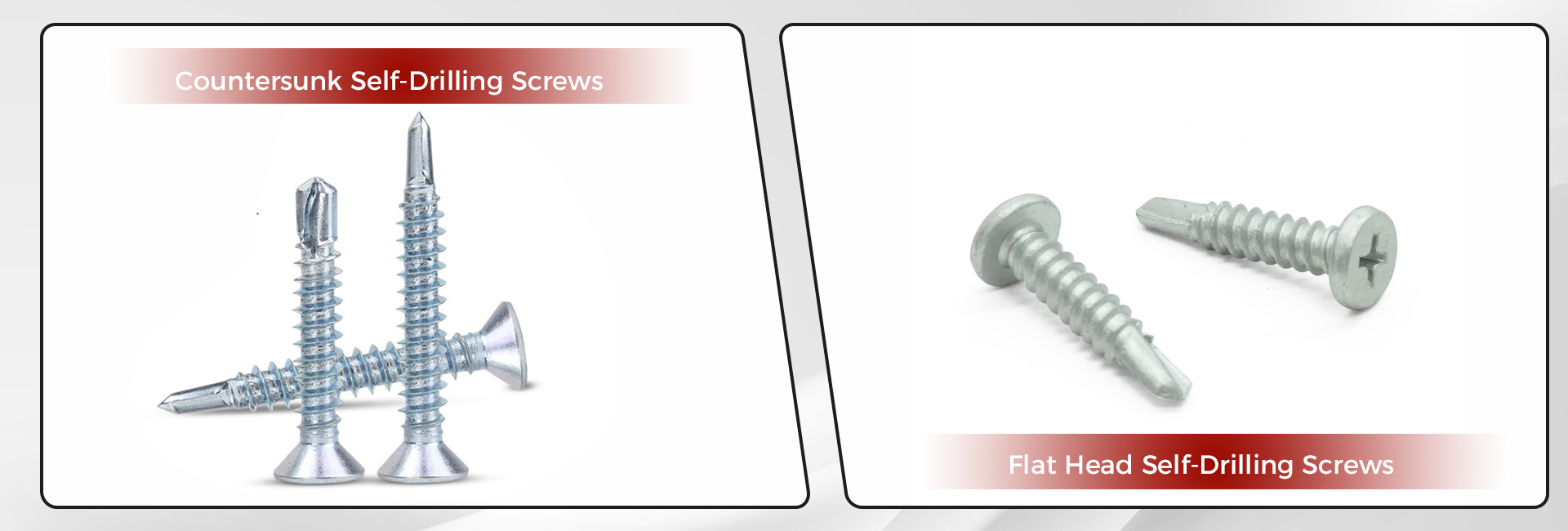
Countersunk Self-Drilling Screws: The conical head of this type sits flush with or below the surface of the material.For clean, smooth finish, countersunk self-drilling screws are essential, especially in visible applications like metal cladding.
Flat Head Self-Drilling Screws: With a flat bearing surface and a low profile, flat head self-drilling screws provide a larger contact area and greater clamping force. They are ideal for surface mounting brackets, channels, or fixtures where a flush finish is not required but high shear strength is needed.
Sinsun Edge: Engineered Precision for Reliable Performance
By focusing on engineering-driven design and consistent quality, Sinsun stands out:
- Material Integrity: Using certified steel and precise alloy compositions.
- Point Geometry: Optimizing the drill point angle and flute design for faster starts and cleaner holes in the target material.
Coating Consistency: Making sure that a coating is applied evenly, which reduces friction and enhances corrosion resistance.
Driver Fit: Preventing cam-out and stripping by precisely fitting the screw head to the driver bit (Phillips, Pozi, Torx).
How to Choose: Your Decision Matrix
- Identify the Base Materials: Metal-to-metal? Choose a metal-piercing self-drilling screw. Wood? Use a self drilling wood screw. Drywall to stud? Only a self drilling drywall screw will do.
- Assess the Environment: Outdoor or wet? Stainless steel self drilling screws are mandatory. Indoor? Standard plated screws from Sinsun are cost-effective and reliable.
- Determine the Finish Need: Need a smooth, flush surface? Specify countersunk self drilling screws. Need maximum clamping force for a surface-mounted item? Choose flat head self drilling screws.
Tips for a Perfect Installation
Use the Right Tool: You need a clutch drill/driver or an impact driver that can be changed. To be sure, start off slowly.
Put Firm, Steady Pressure on the Screw: Let the drill point do the work. Don’t go too far with the angle, or the screw could break or the hole could become oval.
Stop at the Right Time: For countersunk self-drilling screws, stop when the head is level with the surface. Over-driving can ruin the material or strip the hole.
Don’t use it again: The drill point wears down after the first use. Using a self-drilling screw more than once makes it less able to cut and hold.
Conclusion: Use smarter ways to fasten things, not harder ones.
The right fastener makes a big difference.
For example, stainless steel self-drilling screws hold a coastal railing in place well, and countersunk self-drilling screws give a sleek metal facade a smooth finish. It is always possible to achieve professional, long-lasting results if you know the types of screws (self-drilling wood screws and self-drilling drywall screws) and the differences between flat head and countersunk screws.
Working with a manufacturer like Sinsun that focuses on precision ensures that every screw in your box meets the performance, reliability, and efficiency standards of modern projects. Make the right choice and build with confidence.