Self Tapping Drywall Screws
⊙ Pointed-tail drywall screws, say goodbye to repeated repairs.
⊙Smooth entry into the wall without cracking, threads tighten without loosening.
Professional Supplier & Factory
Self Tapping Drywall Screws Series
Self-tapping screws designed for gypsum board installation. The trumpet head sinks smoothly and fits the board surface without protrusions, avoiding scratches or tears on the surface. The sharp self-tapping thread can directly penetrate the gypsum board and embed into the metal keel or wooden frame without pre-drilling, saving time and efficiency. The surface anti-rust treatment improves durability and adapts to humid environments. After installation, the wall surface remains flat, which is convenient for painting or wallpapering. Our screws are your first choice fasteners for ceilings, partitions and gypsum board splicing
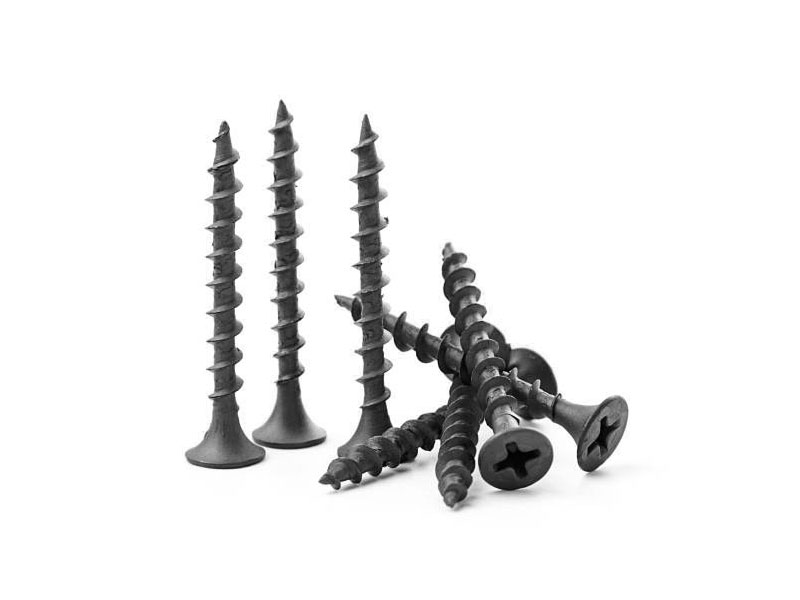
Self Tapping Sheetrock Screws
Sinsun’s Self-Tapping Sheetrock Screws are made of high-carbon steel with phosphated or galvanized coating, which is both rust-resistant and durable, and suitable for humid environments. The unique fine thread structure ensures precise engagement with the gypsum board core. The screws are available in a variety of specifications (such as 1-1/4 inches to 2-1/2 inches in length) to meet the installation needs of single-layer, double-layer boards and fireproof boards, and are designed for efficient installation of Sheetrock.
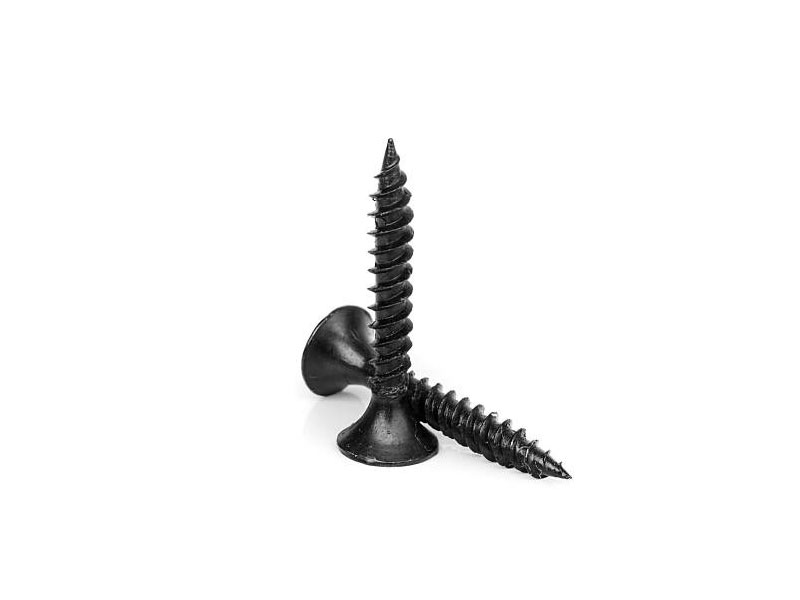
Self Tapping Wall Screws
Our Self-Tapping Wall Screws are designed for multi-material walls such as gypsum board and composite materials. The reinforced self-tapping tip can penetrate high-density substrates without pre-drilling. The unique double thread structure (upper fine thread + lower coarse thread) ensures a firm grip in loose substrates and is suitable for high-speed installation with power tools. It is suitable for hanging heavy objects and renovation projects.

1-1/4 Self Tapping Drywall Screws
Sinsun’s 1-1/4 inch (about 32mm) self-tapping drywall screws are designed for single-layer gypsum board (1/2 inch thick) installation and are embedded in wood or metal keels for at least 12mm to ensure a secure bite. This length can balance penetration and safety, and will not penetrate excessively to avoid damage to the back pipes or keel structure. It is suitable for residential bedrooms, office partitions, ceiling coverings, and light decorative frame fixings.

1-5/8 Self Tapping Drywall Screws
1-5/8 inch (about 41mm) self-tapping drywall screws are most commonly used in double-layer thickened gypsum boards, composite laminates and industries with high load-bearing requirements. They can penetrate multiple layers of materials, ensuring that the screws are embedded in metal or wooden keels by at least 25mm, providing super strong pull-out resistance, and a single vertical load of up to 80-100 pounds. Its extended shaft prevents the screws from loosening due to gypsum board settlement or temperature changes
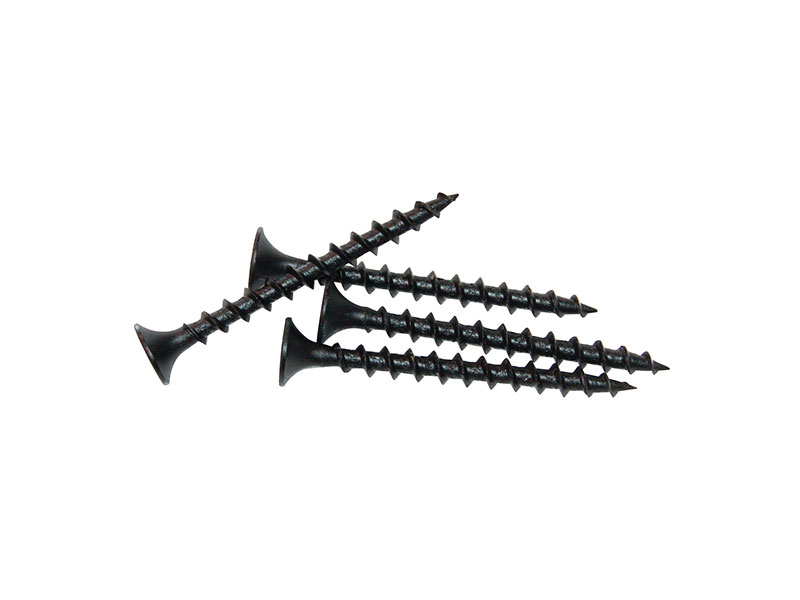
Self tapping drywall screws
1-inch (25.4mm) self-tapping drywall screws are designed for thin gypsum board (3/8-inch thick) or shallow embedment installation, ensuring that the screws can still be embedded in the wood or metal keel at least 10mm after penetrating the board surface. The short size avoids excessive penetration into the wall and reduces damage to pre-buried pipelines. A single screw can bear a load of about 30-40 pounds, suitable for fixing light decorative paintings, plastic wire ducts or temporary partitions.
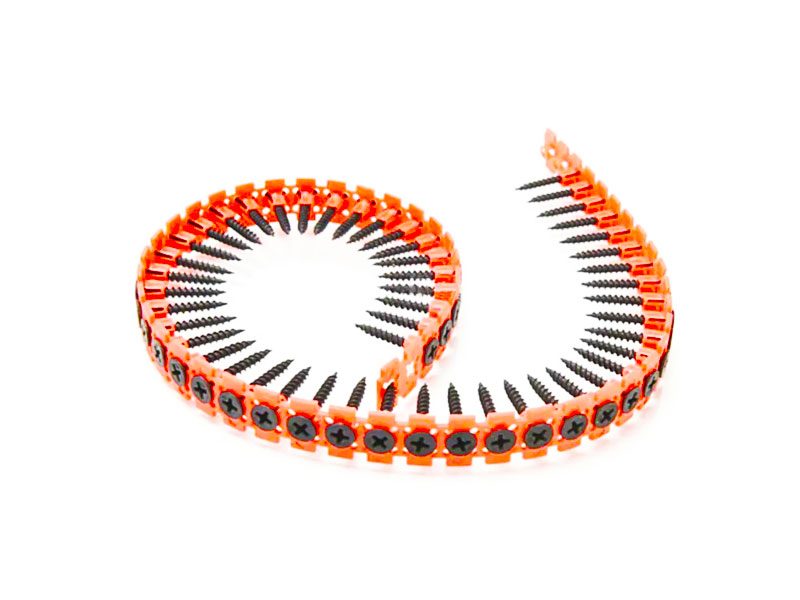
Collated Self Tapping Screws
Sinsun’s Collated Self-Tapping Screws are designed for automated or semi-automatic screw guns. They are connected in series by tape, plastic tape or wire to form a chain for continuous and rapid installation.
With the automatic screw feeder (Collated Screw Gun), 80-150 screws can be driven in per minute, which is very practical in early ceiling installation. It can reduce the number of drywall screws falling and improve installation efficiency.
Black Phosphate
Self Tapping
Drywall Screws
Self Tapping Sheetrock Screws Key Features
— Self Tapping Tip No pilot holes needed – drill directly into drywall and framing.
— Corrosion-Resistant Coating black phosphate or zinc plating for rust prevention.
— Phillips Drive #2 Reduced Phillips Drive prevents over driving.
— Bugle Head Design: Flush finish to avoid tearing drywall paper.
— Threads: Choose between wood (coarse) or metal (fine) stud compatibility.
— Raw materials made from high carbon steel for strength
How to Choose the Right Self Tapping Screw
| Application Scenario | Recommended Screw |
|---|---|
| 1/2” Drywall on Wood | #6 x 1-1/4” Coarse Thread (Black Phosphate) |
| 5/8” Drywall on Metal | #6 x 1-5/8” Fine Thread (Zinc Coated) |
| Ceilings | #8 x 1-5/8” Heavy-Duty (Extra Grip) |
| Humid Areas (Bathrooms) | Nickel Palted or Zinc-Plated Screws |
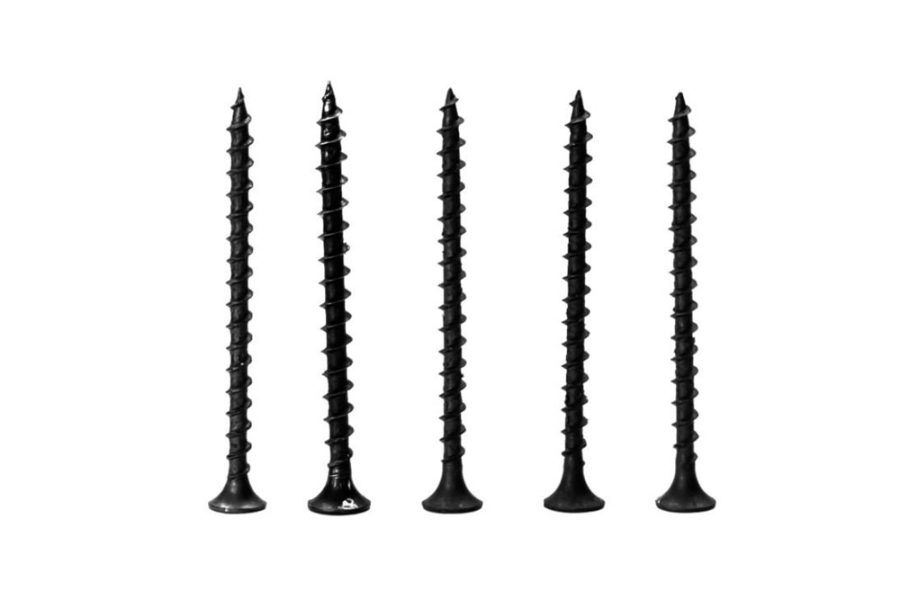
Phosphate
Phosphating is the most common surface treatment for drywall screws. It is divided into gray and black, and can play a certain role in corrosion prevention and lubrication.
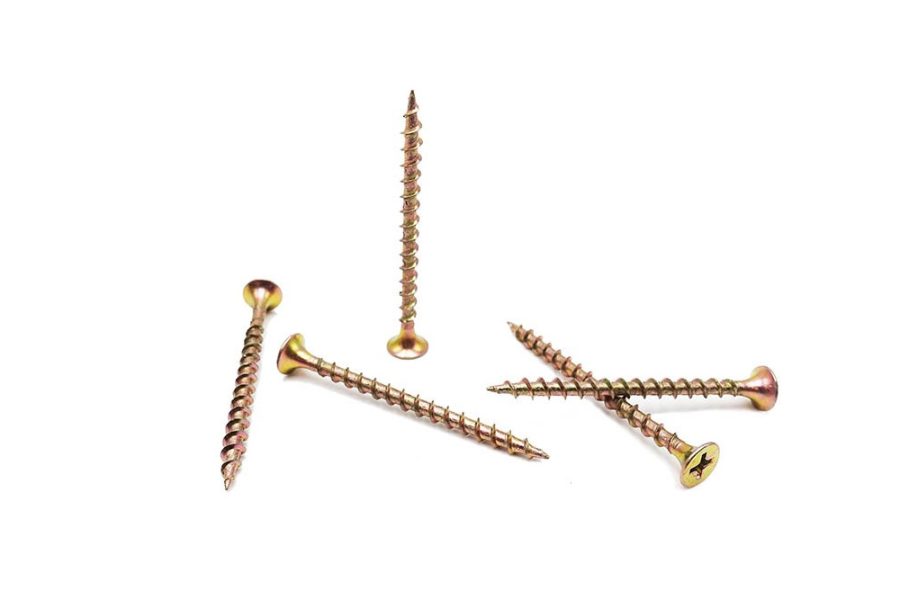
Zinc Plating
Zinc plated is a zinc coating on the surface of drywall screws. The colors are blue-white and yellow zinc. The anti-corrosion and anti-rust effect is better than phosphating and is suitable for humid environments.
Uses of Self Tapping Drywall Screws

Self Tapping Screws For Drywall
Sinsun’s self-tapping sheetrock screws are the best screws for Drywall. The sharp self-tapping tip easily penetrates drywall and studs, allowing you to secure drywall directly to wood/metal studs without pre-drilling.
Drywall Edge and Seam Reinforcement: Stabilizes the edges of Drywall panels to prevent cracking.
Applicable Scenarios
- Drywall Edge and Seam Reinforcement: Stabilizes the edges of Drywall panels to prevent cracking.
- Repair and patch drywall: Quickly repair loose or damaged sections of drywall.
- Fixtures and decoration: Attach lightweight shelves, artwork, or electrical boxes to drywall surfaces.
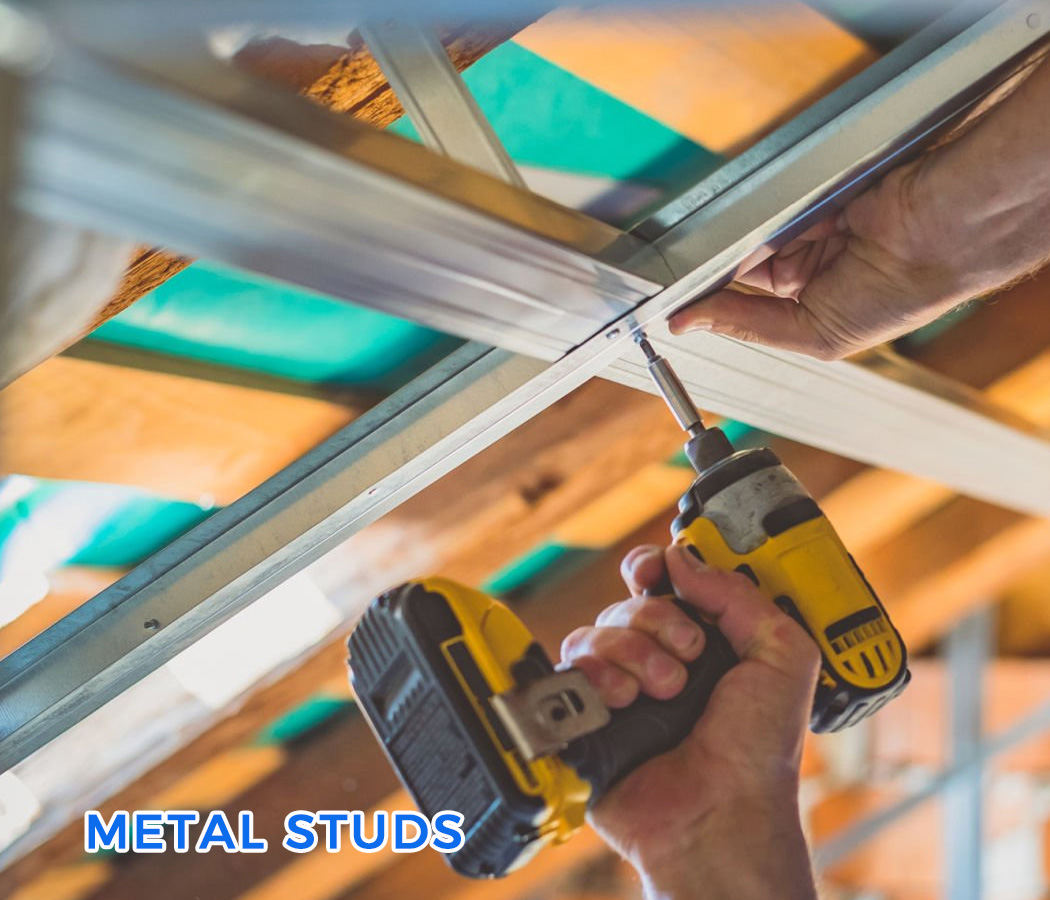
Self Tapping Drywall Screws For Metal Studs
Self-tapping drywall screws designed for metal keels are used to securely fix gypsum boards to light steel keels (such as C-channel steel). Some of Sinsun’s high-end screws have double thread design with both self-drilling and fast tapping functions
Applicable Scenarios:
- Fixing of commercial buildings such as office partitions and ceilings
- Residential light steel keel partitions or ceilings.
- Wet areas (rust-proof screws and waterproof gypsum boards are required).
Why Choose Self Tapping Drywall Screws?
Save Time & Effort
Skip the pre-drilling step! These screws cut through drywall and studs in one go, slashing installation time by 30% or more.Stronger Hold
The sharp threads bite deep into studs, reducing the risk of loose panels or “screw pops” over time.Versatile for All Framing
Use them on wood studs, metal studs, or even ceiling joists – just swap the thread type (coarse for wood, fine for metal).Cleaner Finish
The bugle head sits flush with the drywall surface, creating a smooth base for joint compound.Cost-Effective
Fewer tools (no drill bits for pilot holes) and fewer labor hours mean lower project costs.
FAQ
What are the disadvantages of self-tapping screws?
Head design: Bugle Head avoids tearing the surface of the gypsum board, while the sharp head of ordinary screws can easily damage the paper surface.
Can the Bugle Screw be reused?
Answer: Not recommended!
The threads may be damaged after removal and may become loose after reinstallation
Why do screws slip on metal keel?s?
Coarse threads may be used by mistake (should be fine threads/S-type).
Metal keels are too thick (over 20 gauge), self-tapping screws or pre-drilling are required.
The electric drill has insufficient torque, change to a higher-power tool
What should I do if a screw pops out after installation?
Remove the protruding screw and clean the hole. Install a new screw near the original hole (distance ≥ 2 inches).
Will Bugle Screws rust? How to prevent rust?
Standard version: Black phosphate coating is suitable for dry indoor environments.
Rust-proof version: Choose zinc-plated or nickel-plated drywall screws (for wet areas such as bathrooms and basements).
Maintenance advice: Check the screw heads annually in wet areas and replace them if they are severely rusted.
What should I do if the screw head protrudes or is too deep after installation?
What should I do if the screw head protrudes or is too deep after installation?
A: Use a tool to screw it back in, or replace it with a shorter screw
Too deep: Use a light putty to fill the hole and install a new screw nearby.
Can I use a Bugle Screw to hang heavy objects (such as cabinets)??
No! The Bugle Screw is only for fixing drywall and is not load-bearing.
To hang heavy objects, use Drywall Anchors or structural screws that are fixed directly to the keel.
Can ordinary screws be used instead of bugle head screws?
The bugle head design of drywall screws cannot be replaced!