Bugles Screws
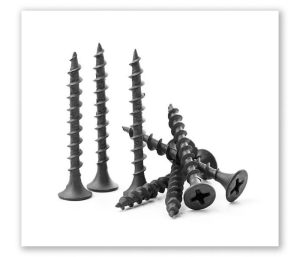
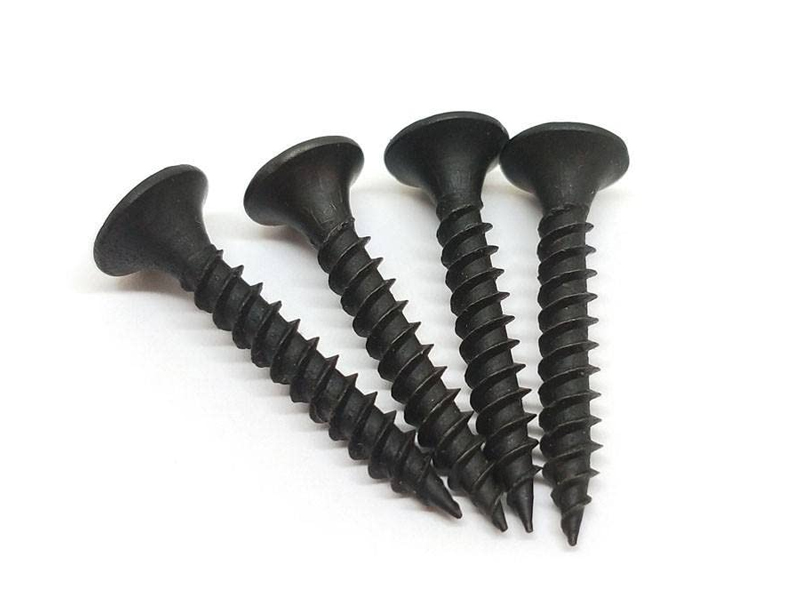
The head has a unique trumpet-shaped design.When screwing in, this shape can smoothly guide the screw head to sink under the surface of the material (such as gypsum board), effectively avoiding tearing or bulging of the material surface.
CHINA BUGLES SCREWS EXPERTS
Bugle Head Screw Series
Sinsun’s Bugle Head Screws are a type of screw designed specifically for drywall installation. The name comes from its unique “flared” head design, which is gently curved and gradually thins to the edge. This design allows the screw to sink smoothly into the drywall surface, avoiding tearing the paper surface of the gypsum board, while providing a flat base for subsequent caulking and sanding. These features make it the best wall screws for fixing sheetrock to wooden or metal frames. At the same time, our Bugle Screw can also be used for 5/8 drywall.

Bugle Head Self Drilling Screw
Sinsun’s Bugle head self-drilling screw is a self-contained drill bit design that can directly penetrate metal plates without pre-drilling. Made of high-hardness steel with anti-rust coating, it is suitable for a variety of indoor and outdoor environments. It is suitable for steel structure roofs, fence installation, light steel keel splicing, etc.
Bugle Head Self Tapping Screw
Bugle Head Self Tapping Screw is a self-tapping screw that can easily drill holes and form threads directly on metal, plastic or thin wood, eliminating the need for pre-tapping. The tip is sharp and cuts in quickly, It is suitable for furniture assembly, electrical housing fixing, light metal frame connection, etc.

Bugle Head Drywall Screw
Our Bugle Head Drywall Screw is a special screw for gypsum board installation. After installation, the nail head naturally sinks into the board surface, keeping the wall surface flat and convenient for subsequent painting or wallpapering. It is suitable for scenes such as suspended ceilings, partition walls, and gypsum board splicing.

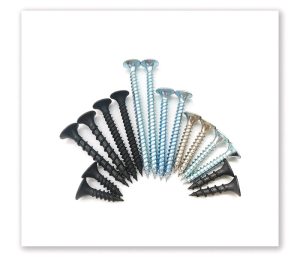
Galvanised Bugle Screws
Sinsun’s Galvanised Bugle Screws are screws designed to resist corrosion. The surface is galvanized to prevent rust and moisture, suitable for outdoor or humid environments. They are often used in fence construction, roof fixing, garden furniture assembly and other scenes. They can easily cope with the sun and rain and remain stable for a long time.
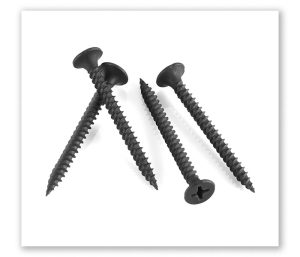
Black Bugle Screws
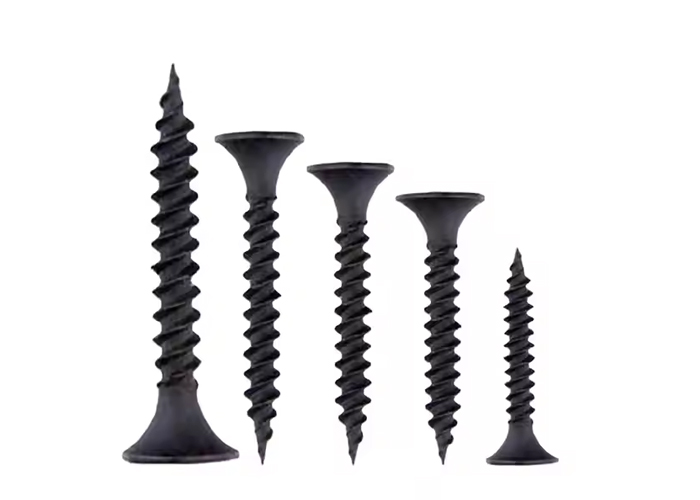
Our black coated screws are black phosphated, rust-proof and wear-resistant, with a low-profile appearance. Suitable for indoor and outdoor decoration, furniture assembly or fence reinforcement, taking into account both practicality and aesthetics

150mm Bugle Screws
Sinsun’s 150mm Bugle Screwsare extended self-tapping screws designed for thick materials. The extra-long 150mm size has strong penetration and is suitable for fixing steel structures and heavy wooden beams. They are often used in roof construction, large shelf assembly or outdoor projects to ensure deep and firm connections.
100mm Bugle Screws
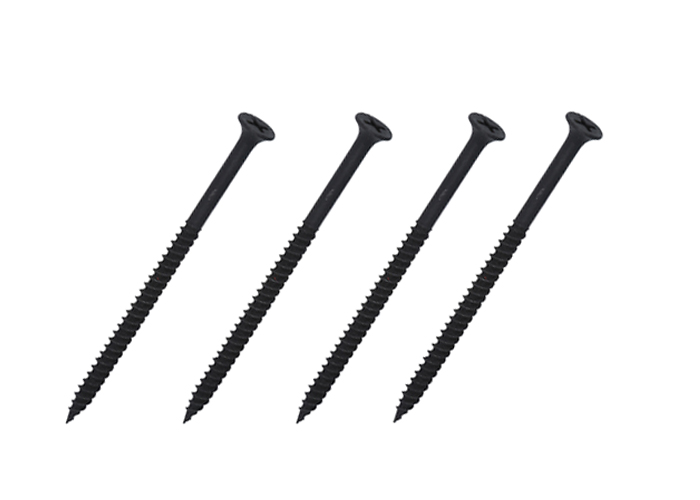
Sinsun’s 100mm Bugle Drywall Screws are usually designed with a diameter of #8 or #10. The thick diameter (≥4.8mm) provides ultra-high tensile strength and is suitable for heavy partition systems: such as multi-layer sound insulation structures (gypsum board + damping layer + steel plate) in hospitals/recording studios. Outdoor gypsum boards (waterproof treatment required) are fixed on antiseptic wood or steel structures.

75mm Bugle Screws
Our 75mm Bugle Drywall Screws are mainly used to fix gypsum board to metal frame on concrete/brick wall (need to use nylon anchor bolts).
Install external wall insulation layer + gypsum board composite system (penetrate the insulation wool and fix to the structural layer).

50mm Bugle Screws
insun’s 50mm Bugle Drywall Screws are designed for fixing double-layer gypsum board (such as 12.5mm + 12.5mm sound insulation / fire protection combination) to single-layer gypsum board installed on thick wooden frame or heavy metal keel (≥18 gauge).
Gray Coarse Thread
Drywall Screws
Bugle Screw Common Specifications
In daily decoration, the size of Bugle Screw is generally selected with a screw diameter of #6, which is 3.5MM, for general use, and #8, which is 4.2MM, for heavy-duty construction, such as installation of double-layer gypsum board or fireproof board. At the same time, sinsun provides customization of any size to meet the different requirements of your project.
1-1/4 Sheetrock Screws
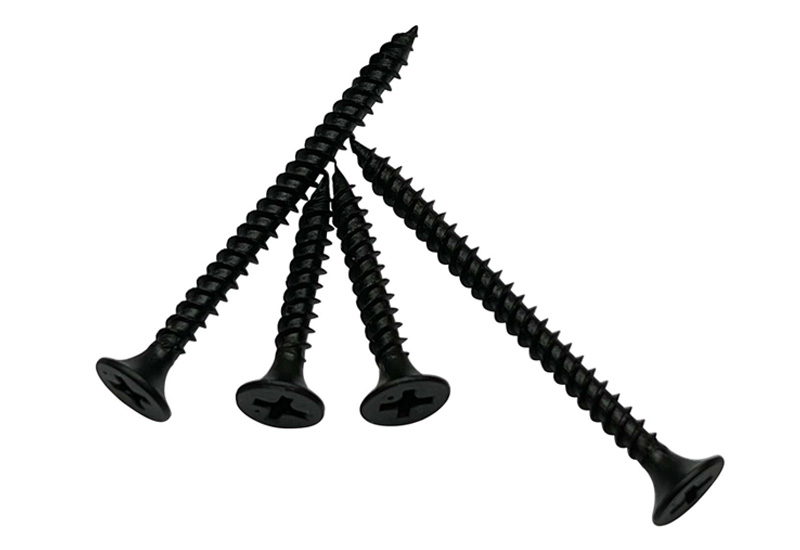
1-1/4″ Sheetrock Screws are screws designed for fixing standard 1/2-inch thick gypsum board (Sheetrock/drywall), suitable for home decoration, commercial engineering and other scenarios. Sheetrock is the gypsum board brand of USG Corporation in the United States, but “Sheetrock Screws” has become a common term in the industry, synonymous with “drywall screws”
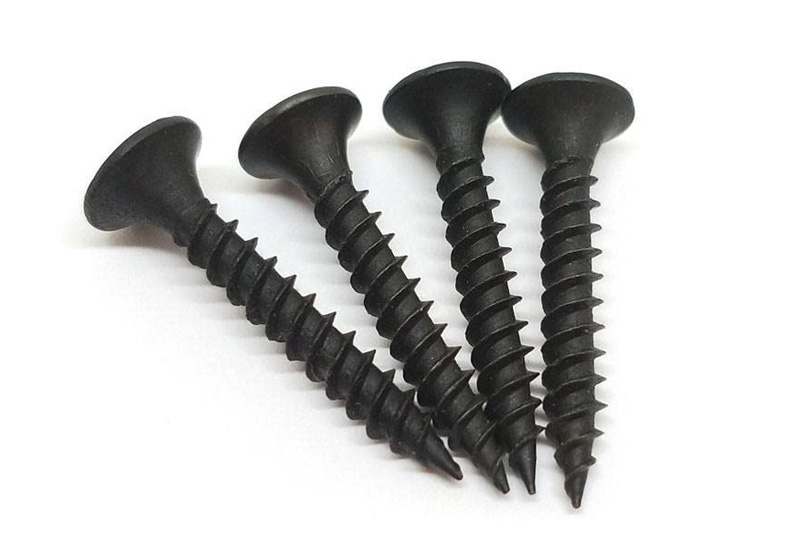
1-5/8 Drywall Screws
Sinsun’s 1-5/8″ Drywall Screws are extended screws designed for thick gypsum board or ceiling projects. They are 3/8 inches longer than standard 1-1/4″ screws and are suitable for higher-strength installation needs. They are also called “ceilings screws” or “heavy-duty drywall screws”.
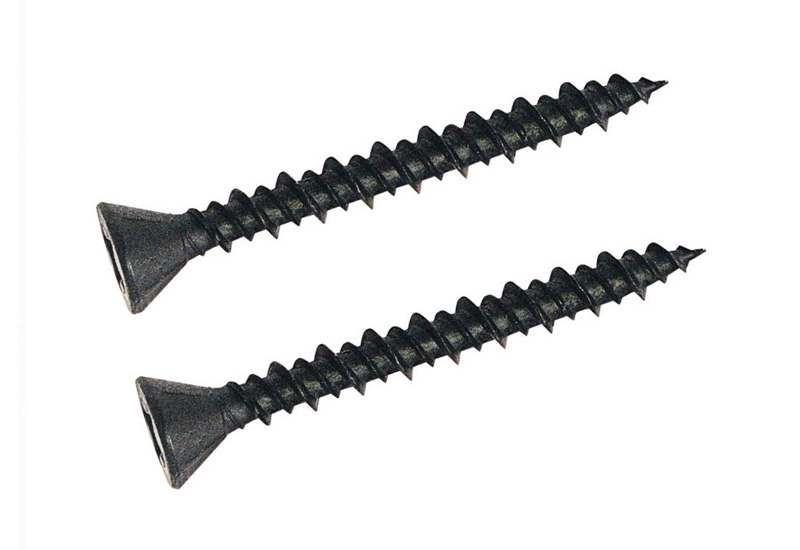
25mm Plasterboard Screws
Our 25mm Plasterboard Screws are universal screws designed for fixing standard 12.5mm thick plasterboard (about 1/2 inch) and are suitable for home decoration, commercial partition and ceiling projects. Its length and design balance penetration and stability, and it is a common choice in the European, Australian and Asian markets.
Bugle Screw Thread Type
Thread is a very important factor of Bugle Screw. Improper use will cause great trouble. Misuse of fine thread on wooden frame will lead to insufficient grip, and misuse of coarse thread on metal frame will cause thread slippage.
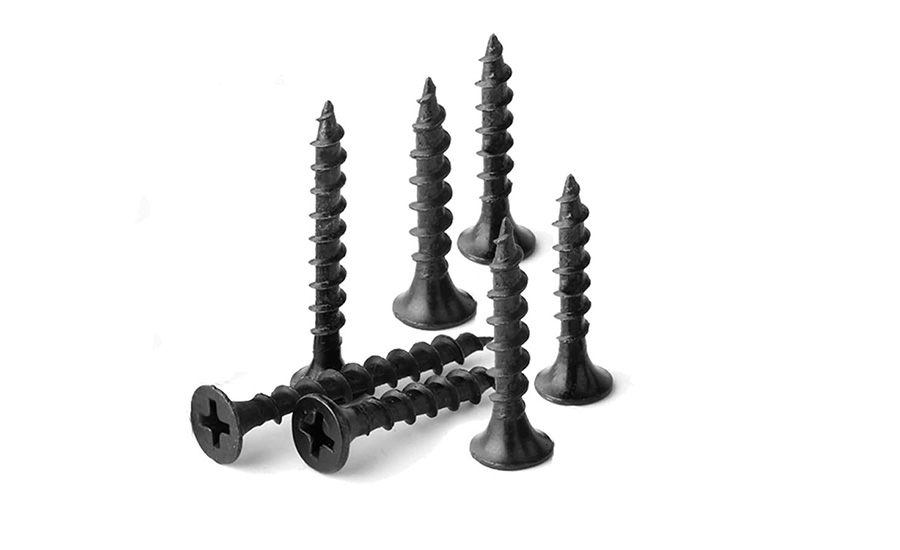
Coarse Thread
Coarse thread design enhances the grip on wood and prevents loosening, that is the best screw for wood, suitable for wooden frames (such as pine and fir).
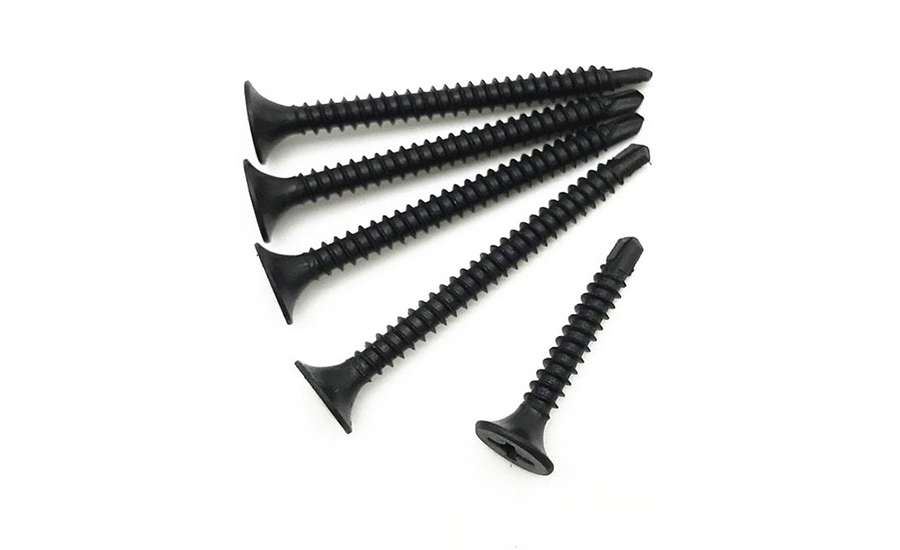
Fine Thread
Fine Thread is specially designed for metal frames to prevent thread slippage. It is the best screw for metal studs and can penetrate light steel keels (25-20 gauge) without pre-drilling.
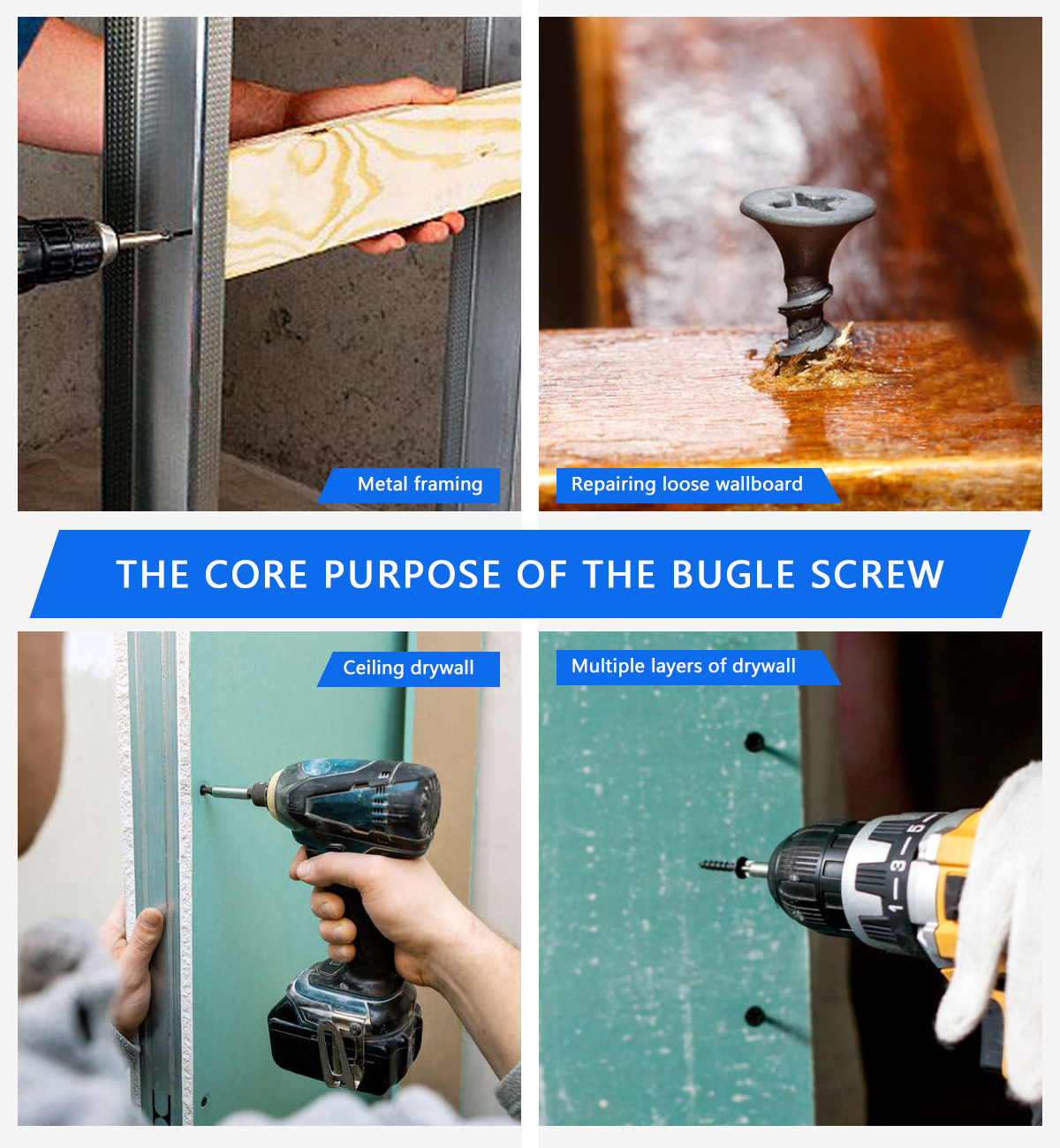
The Core Purpose Of The Bugle Screw
- Fastening 1/2″ or 5/8″ drywall to wood studs:
Coarse threads provide a secure grip on wood and prevent drywall from loosening. - Metal framing installation:
Fine-threaded Bugle Screws penetrate light steel studs (25-20 gauge) without pre-drilling. - Repairing loose wallboard:
Replace aged nails or loose screws to restore wall surface flatness. - Ceiling drywall installation:
Use extended-length (e.g., 1-5/8″) screws to ensure drywall fits snugly against ceiling studs. - Multiple layers of drywall stacking:
When fastening double layers of soundproof or fire-resistant drywall, short Bugle Screws (1″) avoid penetrating the bottom layer.
Phillips Bugle Head
The bugle head sinks smoothly into the gypsum board, reducing damage to the paper surface and reducing the cost of later repairs
Self-Tapping Tip
No pre-drilling required, directly penetrate drywall and wood/metal studs, saving 30%+ time
Excellent Material And Coating
Galvanized coating & black phosphating treatment: passed the 72-hour salt spray test, the anti-rust ability is twice that of ordinary screws
PH2 drive head
With magnetic drywall screw bit, it can reduce the drill bit slippage and reduce the installation error rate by 50%.
Automatic inspection line
100% inspection of thread accuracy and head size, defective rate <0.1%.
Customized service
Support LOGO printing, special coating (such as red zinc, Dacromet), non-standard length
Real factory price
The price per ton is 10-15% lower than the market average: large-scale production + vertical supply chain to control costs
Professional service support
Free technical consultation: Provide drywall spacing specifications, tool selection guide
Bugle Head Screw Installation Tips
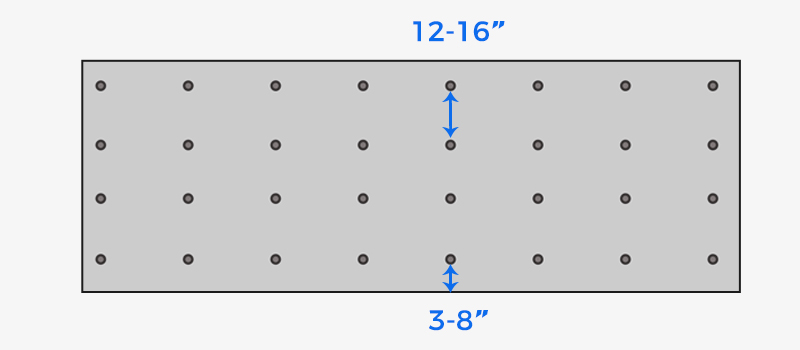
Spacing Specification
Install one screw every 12-16 inches along the wooden keel, leaving 3/8 inches on the edge to prevent cracking.Ceilings can be denser to 8-12 inches.
Avoid Overtightening
Use a drywall screw gun with depth adjustment to ensure that the screw head is slightly sunk into the board surface 1/32–1/16 inches (about 0.8–1.5mm). Screws sunk too deep will weaken the fixing force..
Installation Tools
For efficient installation, you can use a drywall screw gun,Sinsun’s screws can be matched with most tools on the market. DEWALT DCF620B with depth adjustment is recommended to prevent over-tightening
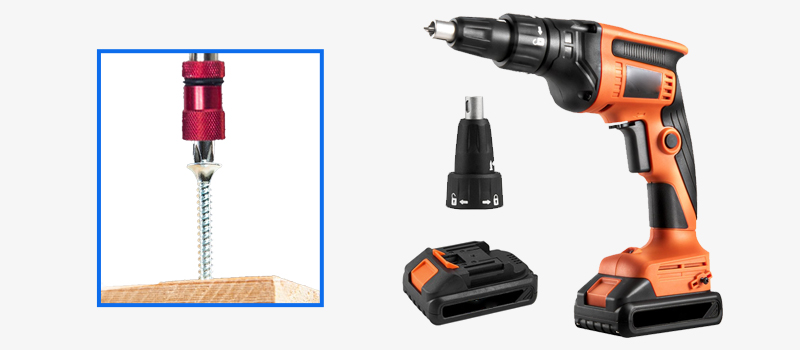
Magnetic Bit
Ordinary electric drill + depth adjustment socket with magnetic screwdriver bit.
The automatic stop function ensures that the screw head sinks 1/32-1/16 inch into the board surface, preventing the screw from falling off frequently
FAQ
What is the difference between Bugle Screw and other screws?
Head design: Bugle Head avoids tearing the surface of the gypsum board, while the sharp head of ordinary screws can easily damage the paper surface.
Can the Bugle Screw be reused?
Answer: Not recommended!
The threads may be damaged after removal and may become loose after reinstallation
Why do screws slip on metal keel?s?
Coarse threads may be used by mistake (should be fine threads/S-type).
Metal keels are too thick (over 20 gauge), self-tapping screws or pre-drilling are required.
The electric drill has insufficient torque, change to a higher-power tool
What should I do if a screw pops out after installation?
Remove the protruding screw and clean the hole. Install a new screw near the original hole (distance ≥ 2 inches).
Will Bugle Screws rust? How to prevent rust?
Standard version: Black phosphate coating is suitable for dry indoor environments.
Rust-proof version: Choose zinc-plated or nickel-plated drywall screws (for wet areas such as bathrooms and basements).
Maintenance advice: Check the screw heads annually in wet areas and replace them if they are severely rusted.
What should I do if the screw head protrudes or is too deep after installation?
What should I do if the screw head protrudes or is too deep after installation?
A: Use a tool to screw it back in, or replace it with a shorter screw
Too deep: Use a light putty to fill the hole and install a new screw nearby.
Can I use a Bugle Screw to hang heavy objects (such as cabinets)??
No! The Bugle Screw is only for fixing drywall and is not load-bearing.
To hang heavy objects, use Drywall Anchors or structural screws that are fixed directly to the keel.
Can ordinary screws be used instead of bugle head screws?
The bugle head design of drywall screws cannot be replaced!