How do you use self-drilling drywall screws?
Self-Drilling Drywall Screws: A Comprehensive Guide to Usage and Types Self-drilling drywall screws are essential fasteners in the construction and renovation industry, designed to simplify the process of attaching drywall to various substrates. These screws come in different finishes, with galvanized and black phosphated being the most common. This article will explore the characteristics of these two types and provide a detailed guide on how to use self-drilling drywall screws effectively.
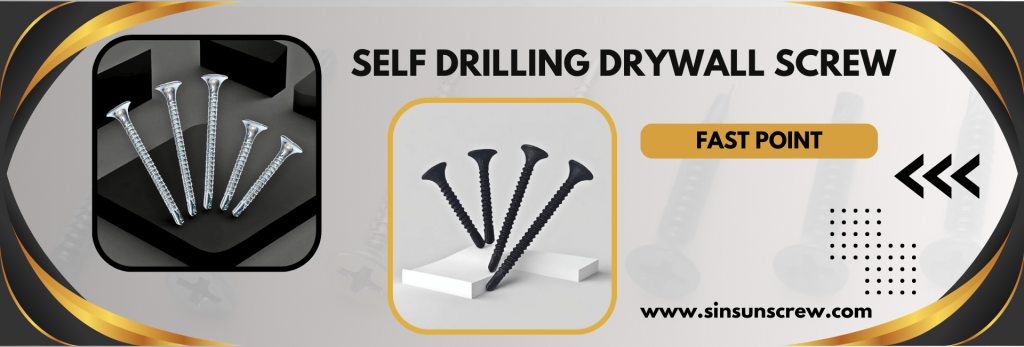
Types of Self Drilling Drywall Screws
Galvanized Self Drilling Screws:
- Description: Galvanized screws are coated with a layer of zinc to protect against corrosion. This makes them ideal for use in environments where moisture is a concern, such as basements or areas with high humidity.
- Applications: These screws are commonly used in residential and commercial drywall installations, especially in areas exposed to moisture. They are also suitable for outdoor applications where durability is essential.
Black Phosphated Self-Drilling Screws:
- Description: Black phosphated screws have a black oxide finish that provides some corrosion resistance while offering a more aesthetic appearance. This finish helps reduce glare and is often preferred for interior applications.
- Applications: These screws are typically used in indoor drywall installations, particularly in areas where aesthetics matter, such as living rooms and offices. They are also suitable for metal framing due to their strong grip.
How to Use Self Drilling Drywall Screws
Using self-drilling drywall screws is straightforward, but following the correct procedures ensures a successful installation. Here’s a step-by-step guide:
Gather Your Tools and Materials:
- Self-drilling drywall screws (choose between galvanized and black phosphated based on your application)
- A drywall screw gun or a power drill with a clutch setting
- Drywall sheets
- Measuring tape
- Straight edge or T-square
- Safety goggles and a dust mask
Measure and Cut the Drywall:
Measure the area where you will install the drywall. Use a straight edge or T-square to mark your cuts, and then score the drywall with a utility knife. Snap the board along the scored line to achieve the desired size.
Position the Drywall:
Hold the drywall sheet in place against the studs. If working alone, consider using a drywall lift or support to keep the sheet steady while you work.
Set the Screw Gun:
If using a power drill, set the clutch to a low torque setting to prevent overdriving the screws. For a dedicated drywall screw gun, adjust the depth setting according to the thickness of the drywall.
Drive the Screws:
Start at one corner of the drywall sheet. Position the self-drilling screw at a slight angle (about 15 degrees) to the surface of the drywall. Press the screw gun or drill against the screw and apply steady pressure. The screw will drill itself into the drywall and the stud behind it.
Spacing the Screws:
For standard drywall installation, space screws approximately 12 to 16 inches apart along the edges and in the field of the drywall sheet. Ensure that screws are driven into the studs for maximum hold.
Check for Flushness:
As you drive each screw, check to ensure that the head of the screw is slightly recessed below the surface of the drywall. This will allow for proper taping and finishing later.
Continue Installing:
Repeat the process for each drywall sheet, ensuring that all screws are properly spaced and driven to the correct depth.
Tips for Successful Installation
Choose the Right Type: Select galvanized screws for areas exposed to moisture and black phosphated screws for interior applications where aesthetics are important.
Use the Right Length: Choose self-drilling screws that are appropriate for the thickness of your drywall and the framing material. Common lengths range from 1 inch to 2.5 inches.
Avoid Overdriving: Be cautious not to overdrive the screws, as this can damage the drywall and compromise the hold. If using a power drill, practice on scrap material to get a feel for the right pressure.
Wear Safety Gear: Always wear safety goggles and a dust mask when cutting and installing drywall to protect yourself from dust and debris.
Inspect Your Work: After installation, inspect all screws to ensure they are properly seated and that there are no visible gaps or damage to the drywall.
Conclusion
Self-drilling drywall screws, whether galvanized or black phosphated, are essential tools for efficient drywall installation. Understanding the differences between these types and following best practices for their use will ensure a successful project. By adhering to the steps outlined in this guide, you can achieve a professional finish in your drywall installations, making your work both efficient and aesthetically pleasing. Whether you’re tackling a small home renovation or a large commercial project, self-drilling drywall screws will help you get the job done right.