What are concrete screws called?
Names and applications of concrete screw
In the construction and renovation industry, there are many types of screws, each with its own specific purpose and design. Among them, concrete screws are screws specially used to fix objects in concrete, masonry or other hard materials. This article will explore the name, characteristics, installation methods and importance of concrete screws in different applications.
Names of concrete screw
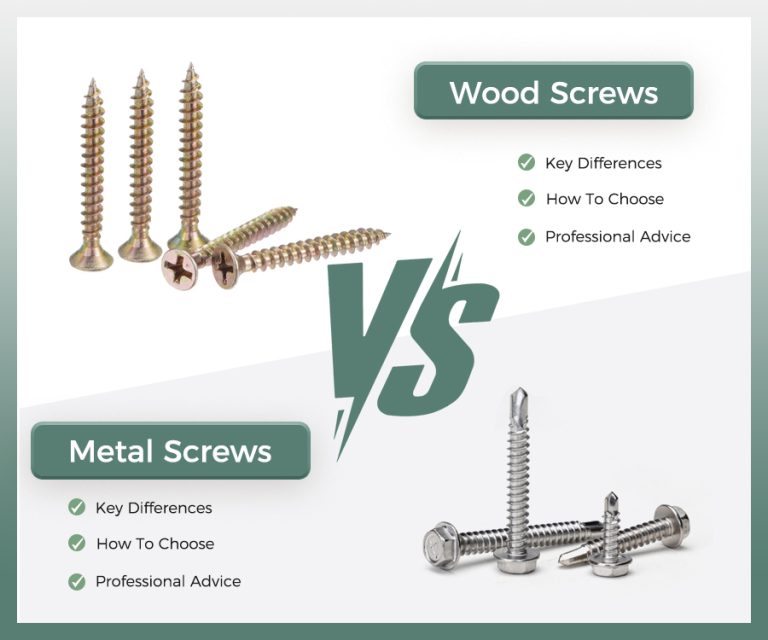
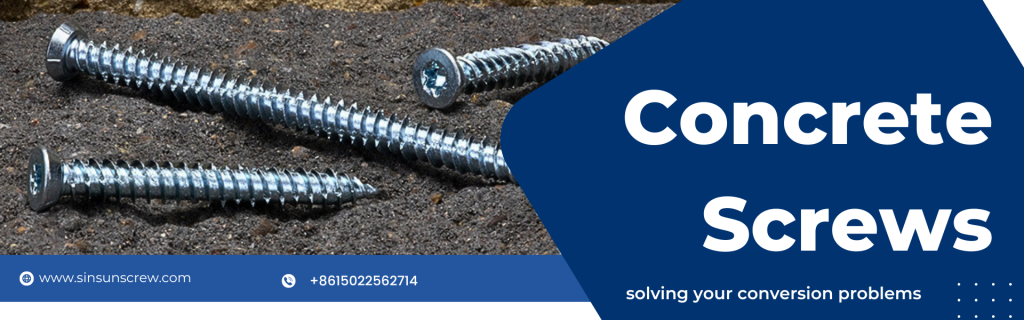
Concrete screw are often referred to as “concrete self-tapping screws” or “concrete anchor screws”. These names reflect their primary function, which is to cut themselves into hard materials such as concrete and provide a secure hold. Unlike traditional wood screws or metal screws, concrete screws are designed to cut directly into the concrete surface without pre-drilling.
Features of concrete screw
Concrete screws have several notable features that make them very popular in construction and renovation:
Self-tapping design: The thread design of concrete screws is very sharp, which can cut directly into the concrete or masonry during installation to form a tight connection. This self-tapping feature makes the installation process more efficient, saving time and manpower.
High-strength material: Concrete screws are usually made of high-strength carbon steel or stainless steel, which have excellent corrosion resistance and tensile strength. This allows them to be used in a variety of environments, including wet or outdoor conditions.
Various Sizes and Types: There are many sizes and types of concrete screws available on the market to meet different application needs. Whether it is used to fix light objects or heavy structures, you can find the right screw.
How to install concrete screw
Installing concrete screws is relatively simple, but there are still some basic steps to follow to ensure a strong and secure connection:
Choose the right tool: Using an electric screwdriver or impact drill can improve installation efficiency. Make sure the torque setting of the tool used is appropriate to avoid breaking the screws or over-tightening.
Mark the location: Before installation, mark the location of the screws on the concrete surface. Make sure the markings are accurate so that they can be cut in smoothly during installation.
Direct installation: Align the concrete screws to the marked position and use a power tool to screw them directly into the concrete. Due to the self-tapping design of the screws, pre-drilling is usually not required.
Check for firmness: After installation, check the firmness of the screws to ensure they can withstand the expected load.
Application of concrete screws
Concrete screws have a wide range of applications in construction and decoration, including but not limited to:
Fix building structure: In construction, concrete screws are often used to fix walls, beams and other structural members to ensure the stability and safety of the building.
Installation of Equipment: In industrial and commercial settings, concrete screws are widely used to install heavy equipment, pipes and electrical equipment, providing a reliable fixation.
Home decoration: In home decoration, concrete screws can be used to install wall racks, lamps, curtain rods, etc. to ensure the safe fixation of these items.
Outdoor Application: Due to their corrosion resistance, concrete screws are also suitable for outdoor projects such as the installation of fences, decks and garden structures.
in conclusion
Concrete screws are an important connection tool, widely used in construction, industry and home decoration. Their self-tapping design, high-strength material and a variety of size options make them a reliable fixing solution in a variety of applications. Understanding the characteristics and installation methods of concrete screws will help you make more informed choices in your projects and ensure the safety and stability of your structure. Whether you are a professional construction worker or a DIY enthusiast, mastering the skills of using concrete screws will bring convenience and efficiency to your work.